Overview
After months of planning, logistics, and anticipation, my new remote system is finally live at Obstech in the Chilean Andes — metal, glass, code, and a horizon that glows like a promise. The heart of the setup is a PlaneWave CDK20 paired with a PlaneWave L500 direct-drive mount and a Moravian C3-61000 PRO camera. For the most part, the entire process has been flawless — of course there were small hiccups along the way including production delays of several months, but nothing like some of the stories that I have heard/read from @John Hayes , @Mark McComiskey, and @Rafael Sampaio.
And the team at Obstech has been amazing to work with and got my system installed, and running, surprisingly quickly once all the pieces of equipment made it to Chile. Andres and Vincent have built a phenomenal team and facility. What also paid off was being prepared ahead of time with issues I encountered setting up my other remote systems over the years, and replicating similar-ish configurations for the imaging and electronics components.
📷There are two unresolved snags still:
-
I chose to go with the MeLE Quieter 4C mini-PC mounted directly on the telescope, and it has been less powerful than I had anticipated. While preliminary testing showed it was reasonable, it hasn’t been performing to my expectations in the field. I have a faster mini PC en-route to Obstech to replace this one, so that should address the matter. I haven’t had great luck with long usb cables and tower-style PCs, so I still believe the mini PC / Eagle route is the best way.
-
The second has been that the dew control wiring on the telescope is busted. It’s unfortunate the PlaneWave QA/QC missed this before release, but effectively the primary mirror sensor is giving readings of over 100C and the secondary mirror sensor isn’t even sensing. PlaneWave engineers have been hard at work to figure out a solution for this issue in a way that doesn’t require dismantling the telescope. The optics are performing amazingly well per the Zernike terms and other metrics within SkyWave, including a coma error of < 0.04 wave rms, and I would hate to have to upset the optical performance in any way.
📷
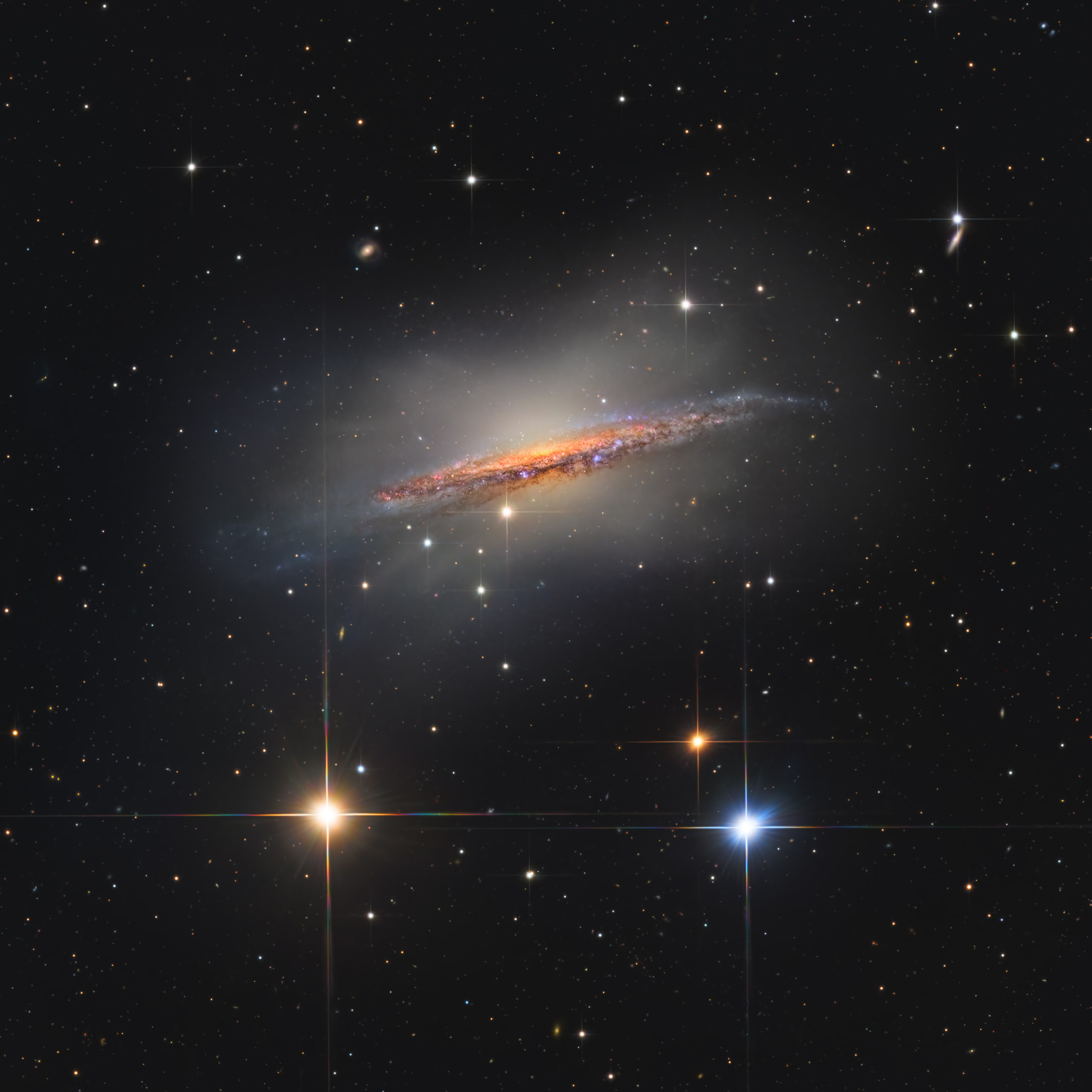
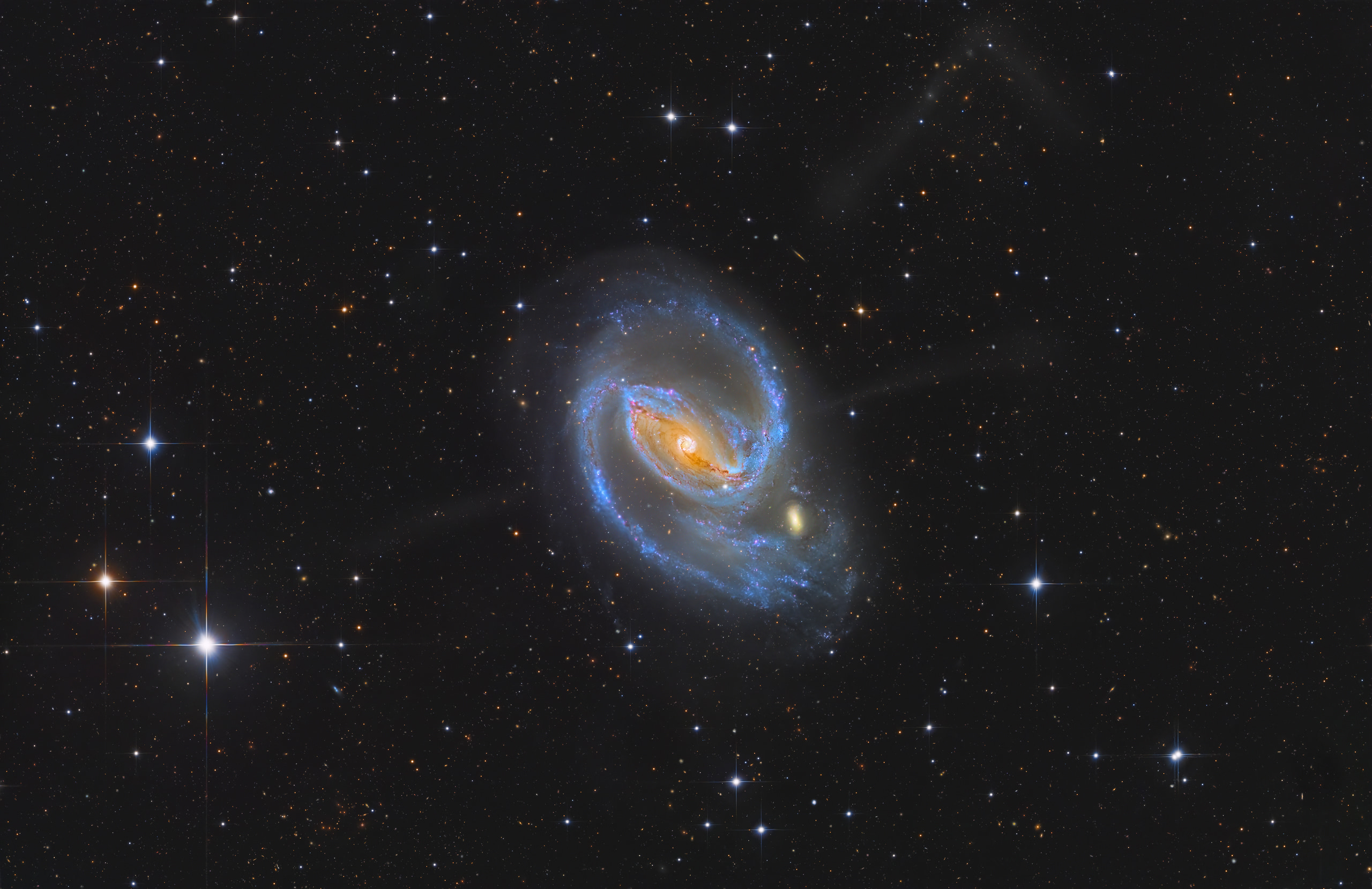
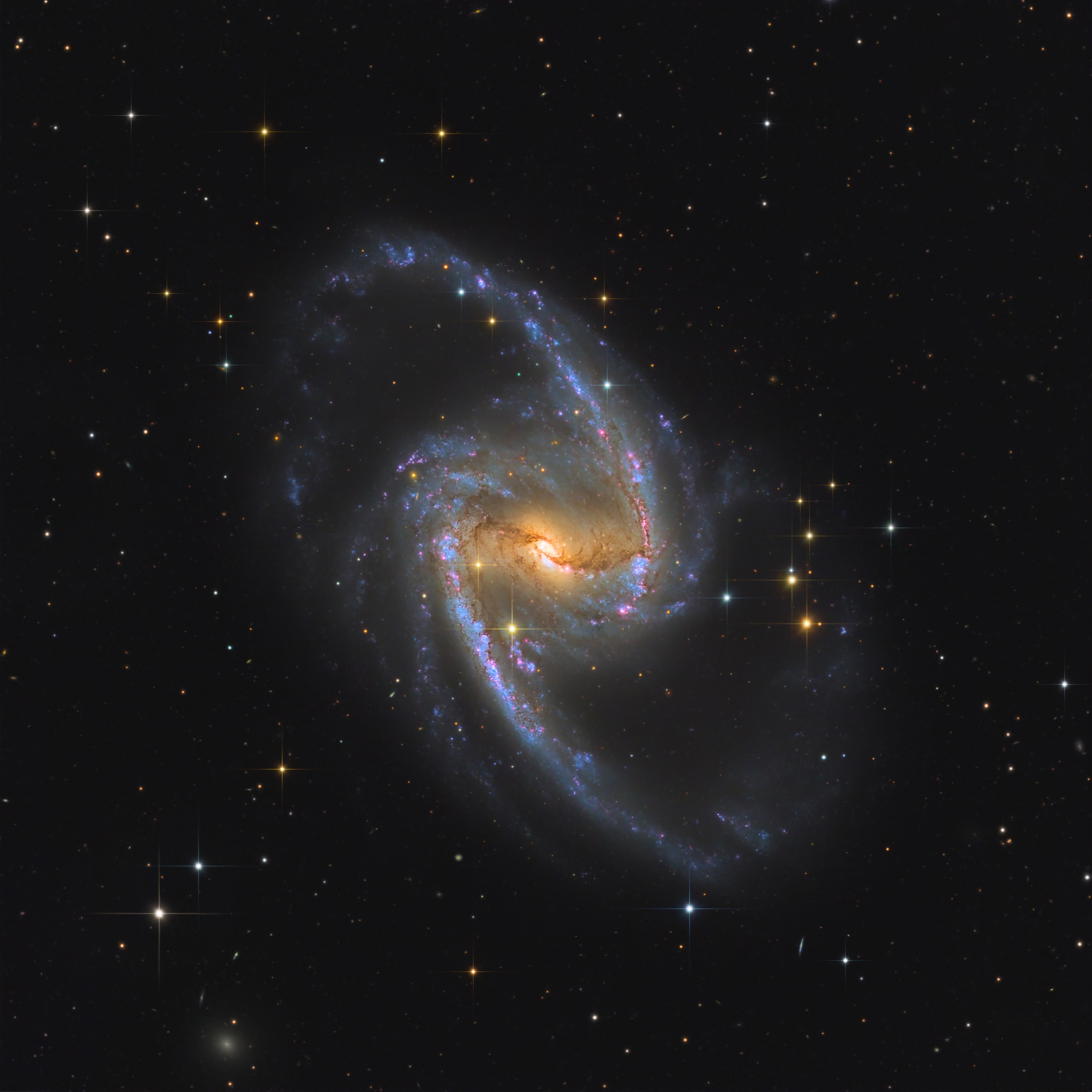
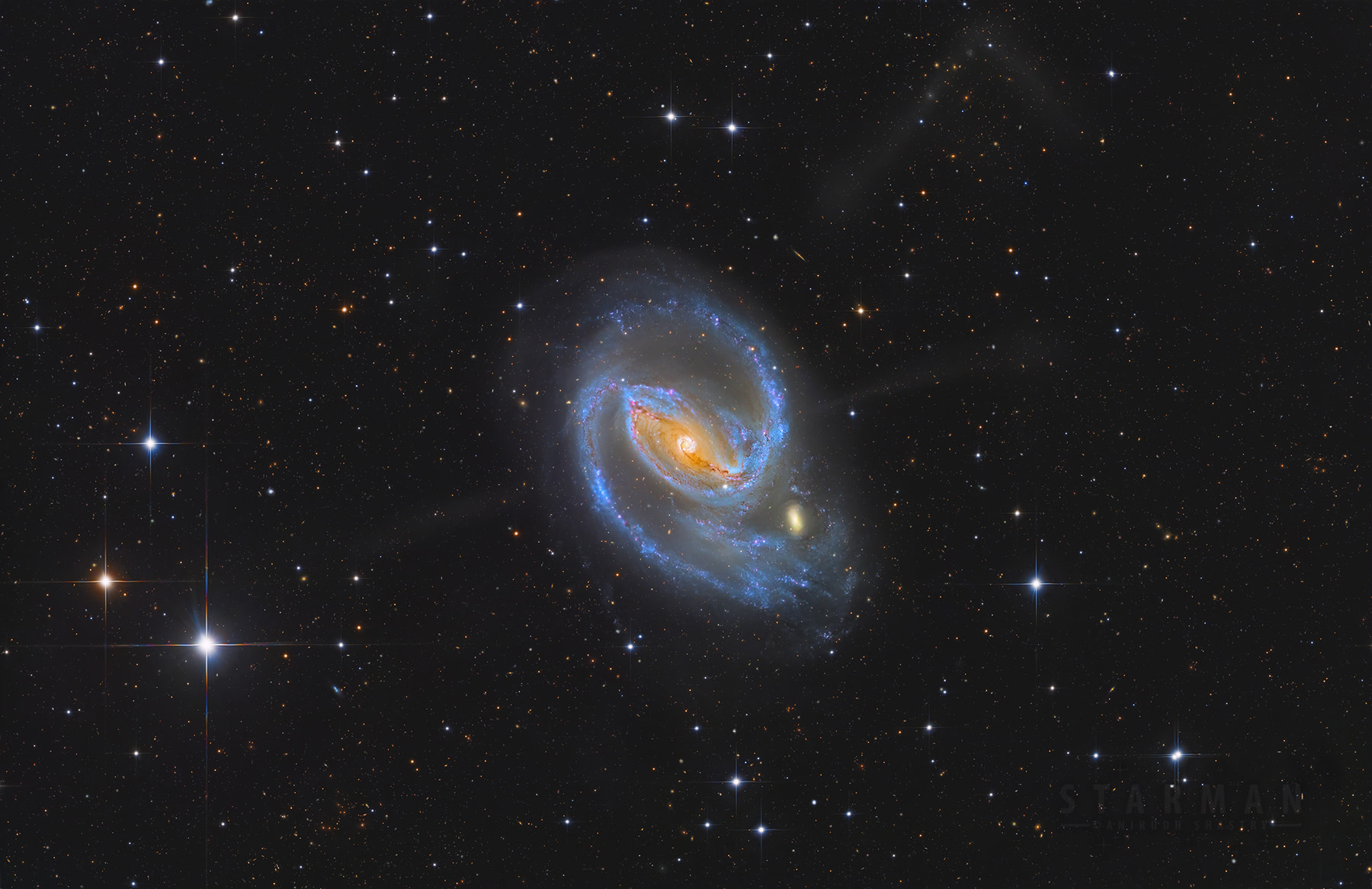
I am still familiarizing myself with the Southern Skies, and I think this will take me a good year. I chose NGC 1097 as my first object to image, since it was relatively high in the night sky and seemed rather interesting given the renditions from John Hayes and Rafael Sampaio. While I am still fine-tuning the system including tracking and guiding, it was amazing to see the quality of data already from the system. The majority of the subs for this image were in the low 1” FWHM.
More to come!